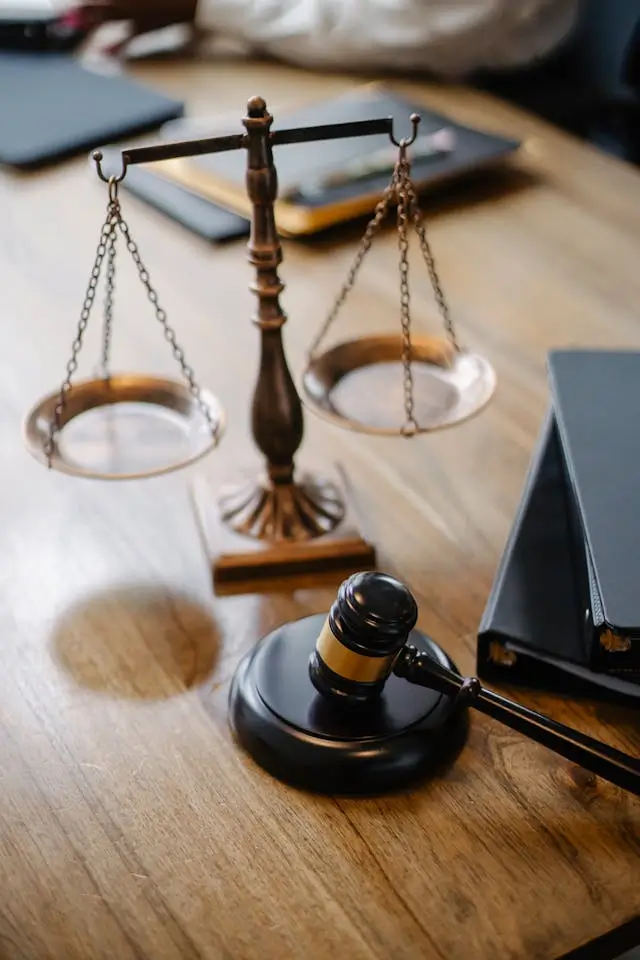
Cheque bounce

Peaceful separation, Legal closure

Cheque bounce cases aren’t merely financial cases, there are serious legal implications. Whether you’re a businessperson, an individual or a person handling delayed payments, a dishonored cheque can lead to loss of trust and financial insecurity. Legallyne not only guide you to take action under Section 138 of the Negotiable Instruments Act, 1881, but also give you expert tips and tried hacks from retired judges to fasten your case and get your money back.

Why Choose Us?

At Legallyne, we stand out because:

In contrast to generic legal advice websites, Legallyne provides you with courtroom-tested insights and tips that work, such as how to present your case for faster judgment, or how to defend yourself if you've been falsely accused of cheque bouncing.

✔ Advice from India's Best Retired Judges
✔ Strategic Legal Tips to Improve Your Case
✔ Professional Drafting of Demand Notice & Complaint Petition
✔ Help with Fast-Track Trials & Settlement Strategies
✔ No Hidden Fees

What is Cheque Bounce?

When a cheque is drawn but returned as dishonoured due to “insufficient funds” or “account closed”, it is commonly referred to as a cheque bounce. Under Section 138 of the Negotiable Instruments Act, 1881, such an act is a criminal offence, punishable with up to 2 years imprisonment, fine, or both.

Eligibility for Cheque bounce Case

if you're the rightful payee
the cheque was for a legal debt
it was returned due to insufficient funds, account closure, or an invalid stop-payment by the issuer.

Step-by-Step Process

Step 1

First Consultation

We review your cheque, bank memo, and attached correspondence.

Step 2

Drafting the Joint Petition

Our retired judges supervise the preparation of Demand notice

Step 3

Filing First Motion

Notice is sent through registered post/email with delivery tracking.

Step 4

Cooling-Off Period Waiver – Here’s the hack

In case of non-payment, we assist in filing the complaint in the correct magistrate court.

Step 5

Second Motion Hearing

From pre-summoning to trial,we deliver thorough representation and strategic advice.

Step 6

Final Decree

After judgment, we help with enforcement of orders and real recovery.

Documents Required

Bounced cheque copy
Bank return memo
Communication records (WhatsApp/emails)
Legal notice and postal proof
ID proof and address of the complainant
Proof of payment (if any)

Common Mistakes in Cheque bounce

Delays in sending demand notice (beyond 30 days)
Poorly drafted notices
Not preserving return memo as evidence
Filing complaint in wrong jurisdiction
Missing court dates

Recent Landmark Judgments

Rajco Steel Enterprises v. Kavita Saraff (2024)

SC ruled cheque bounce alone isn't enough—legal debt must be clearly proven.

Susela Padmavathy Amma v. Bharti Airtel (2024)

Directors not automatically liable—must prove active involvement.

Vishnoo Mittal v. Shakti Trading Co. (2025)

Cheque bounce cases can proceed despite IBC insolvency proceedings.

Rakesh Ranjan Shrivastava v. State of UP (2024)

Interim compensation under Section 143A is not mandatory—court’s discretion applies.

Myths vs Facts

Cheque bounce is a civil issue only
It's criminalised under Section 138 of the NI Act.
Present a case immediately after the bounce
Legal notice should be dispatched initially
Must pay 2x amount
Fine is often reduced
Only account holder liable
Directors can be jailed for company cheques

Frequently Asked Questions

Yes. Provided the cheque was drawn for a legally recoverable debt.
The case is instituted where the payee bank is situated, not the drawer's.
You can claim fine up to twice the cheque value and other compensation under Section 357 CrPC.
With professionally drafted and early-stage planning, most of our clients settle cases within 3–6 months.
Because we don't merely file cases,we strategically win them with the wisdom of retired judges.

Client Testimonials

Call Now Button